


10 Best Sandwich Bread Types for Perfect Homemade Sandwiches
A great sandwich doesn’t start with just fillings. It starts with bread. The texture, flavor, and structure of your bread can either elevate a sandwich into something memorable or completely ruin the experience. Too dense, and every bite feels heavy. Too soft, and the fillings slide right out. Choosing from the many types of bread for sandwiches is the difference between a soggy lunch and a perfectly balanced bite.

From crusty European loaves to soft, pillowy slices, different sandwich bread types serve different purposes. Some are built to hold hearty meats and sauces, while others shine in lighter, everyday sandwiches.
In this blog guide, we’ll break down the best sandwich bread options for homemade sandwiches, explain when to use each one, and help you match the right bread with the right fillings. Whether you love crusty loaves inspired by Italian breads or prefer soft sandwich classics, this list will help you build better sandwiches at home.
Why Bread Choice Matters for Sandwiches
Bread does more than hold ingredients together. It affects texture, flavor balance, and even how filling your sandwich feels. The wrong bread can overpower your fillings or fall apart halfway through eating.
When choosing among different types of bread for sandwiches, consider:
Crust strength: Can it hold sauces and juicy fillings?
Crumb softness: Does it compress nicely when you bite?
Flavor profile: Neutral or bold?
Freshness: Especially important with fresh Italian bread and artisan loaves.
Understanding these factors makes it easier to select the right bread for every sandwich style.
1. White Sandwich Bread (Classic Soft Bread)

White sandwich bread is the foundation of modern sandwich culture. Its neutral flavor and ultra-soft crumb make it one of the most widely used types of bread for sandwiches, especially for quick meals and comfort food. Because it compresses easily, it allows fillings to meld together rather than compete.
This bread is particularly popular in households because it appeals to all ages and works well straight out of the bag. When people think of soft bread for sandwiches, white bread is usually the first option that comes to mind.
Best uses:
Peanut butter and jelly.
Egg salad or tuna salad.
Grilled cheese and melt sandwiches.
While it may not offer the structural strength of crusty loaves, white bread excels in simplicity and consistency, making it a timeless sandwich bread type.
2. Whole Wheat Bread

Whole wheat bread is a step up in flavor and nutrition from white bread. Made using whole grains, it has a slightly nutty taste and firmer texture, making it better suited for heartier fillings. Among common types of bread for sandwiches, whole wheat offers a balance between softness and durability. It holds spreads and proteins without tearing while still providing a pleasant chew.
Why it works:
Adds fiber and nutrients.
Pairs well with turkey, chicken, and vegetables.
Less processed than white bread.
For those looking for a more wholesome everyday option, whole wheat remains one of the most reliable sandwich bread types.
3. Sourdough Bread

Known for its tangy flavor and chewy texture, sourdough bread for sandwiches has earned its place among artisan favorites. The natural fermentation process gives sourdough a complex taste while also improving digestibility.
Sourdough’s sturdy crust and airy interior make it ideal for both hot and cold sandwiches. It doesn’t become soggy easily, which is a major advantage when using sauces or melted cheese.
Best uses:
Grilled cheese and melts.
Breakfast sandwiches.
Deli-style meat sandwiches.
Because of its versatility and flavor depth, sourdough is often ranked as one of the best sandwich bread choices for home cooks.
4. Rye Bread

Rye bread has a bold, earthy flavor that instantly elevates savory fillings. It is denser than white or wheat bread, giving it the strength needed for stacked sandwiches.
Among traditional sandwich bread types, rye stands out for its ability to complement salty, smoky meats without being overwhelmed.
Best uses:
Pastrami or corned beef.
Reuben sandwiches.
Smoked fish and pickled vegetables.
Rye bread is a go-to choice when structure and flavor are equally important.
5. Ciabatta Bread

Ciabatta is one of the most popular Italian breads used for sandwiches. It features a crisp outer crust and a light, airy interior with large holes that trap sauces and oils beautifully.
This bread works especially well for pressed or toasted sandwiches, as it maintains its structure while warming evenly.
Why it stands out:
Excellent crust-to-crumb balance.
Absorbs sauces without falling apart.
Ideal for gourmet and deli-style sandwiches.
Ciabatta is widely considered one of the best sandwich bread options for elevated homemade sandwiches.
6. Focaccia Bread
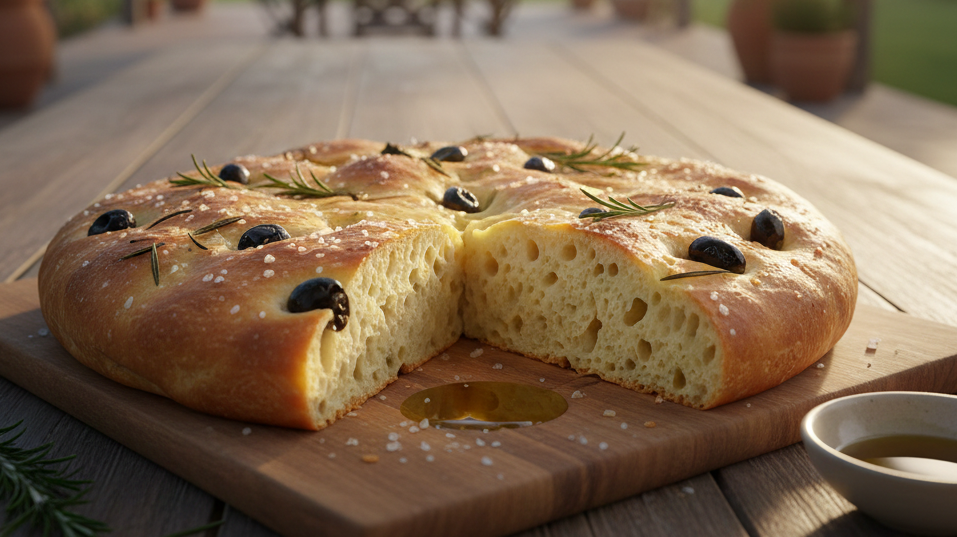
A focaccia bread sandwich is rich, flavorful, and deeply satisfying. Focaccia is infused with olive oil and herbs, giving it a distinct taste that enhances even simple fillings. Because of its thickness, focaccia works best when sliced horizontally and lightly toasted. It is a staple among rustic types of Italian bread.
Best uses:
Italian deli meats.
Mozzarella and roasted vegetables.
Panini-style sandwiches.
Its bold flavor makes focaccia ideal for sandwiches where the bread is meant to shine.
7. Baguette

Baguettes are long, narrow loaves with a crisp crust and soft interior. They are commonly used for sub-style sandwiches that require durability and crunch. Freshly baked baguettes share many qualities with fresh Italian bread, especially when used for sandwiches filled with meats, cheeses, and sauces.
Best uses:
Classic subs.
Meatball sandwiches.
Hearty vegetarian sandwiches.
Baguettes are ideal when you want texture and structure in every bite.
8. Brioche Bread

Brioche is a rich, slightly sweet bread made with eggs and butter. While not traditional, it has become increasingly popular for specialty sandwiches.
Among modern sandwich bread types, brioche is chosen for indulgence rather than neutrality.
Best uses:
Breakfast sandwiches.
Fried chicken sandwiches.
Sliders and gourmet burgers.
Its soft texture and subtle sweetness create contrast with savory fillings.
9. Multigrain Bread

Multigrain bread combines several grains and seeds, resulting in a hearty texture and layered flavor. It is often chosen for its nutritional profile and satisfying bite.
This bread works well for sandwiches that need to feel filling without being heavy.
Why choose it:
Adds crunch and complexity.
Holds spreads and proteins well.
Suitable for savory sandwiches.
Multigrain bread is a strong contender among wholesome types of bread for sandwiches.
10. Hoagie Rolls and Sub Rolls

Hoagie rolls are specifically designed for sandwiches. Inspired by classic Italian breads, they balance a soft interior with a lightly crisp exterior.
These rolls are engineered to hold generous fillings without collapsing, which is why they are commonly used in deli-style sandwiches.
Best uses:
Italian subs.
Cheesesteaks.
Meat-heavy sandwiches.
Many of the 7 best Italian sandwiches rely on hoagie-style rolls for their iconic structure and bite.
How Italian Breads Elevate Sandwiches
Many of the most iconic sandwiches rely on types of Italian bread. From ciabatta to focaccia, these breads emphasize texture, freshness, and balance.
Key advantages:
Excellent crust-to-crumb ratio.
Naturally flavorful.
Often made with simple ingredients.
These qualities contribute to the health benefits of Italian bread, especially when compared to heavily processed alternatives.
Tips for Choosing the Best Sandwich Bread
Match bread strength to filling weight.
Use softer breads for cold sandwiches.
Choose crusty breads for hot or saucy fillings.
Always prioritize freshness, especially with fresh Italian bread.
Celebrate Sandwich Culture
Sandwiches are more than meals; they’re cultural staples. From deli classics to homemade favorites, bread plays a central role in every bite. Sharing your creations on national sandwich day is a great way to celebrate creativity and tradition. Many iconic recipes, including those inspired by the 7 best Italian sandwiches, rely on thoughtful bread selection.
Conclusion
The perfect sandwich starts with the right bread. With so many types of bread for sandwiches available, choosing wisely can transform simple ingredients into something exceptional. Whether you prefer the tang of sourdough, the softness of white bread, or the rustic appeal of Italian breads, understanding your options helps you build better sandwiches every time.
Experiment, mix textures, and don’t be afraid to try something new. With the right bread, every homemade sandwich has the potential to be unforgettable.
FAQs
1. What are the best types of bread for sandwiches?
The best options depend on fillings, but sourdough, ciabatta, whole wheat, and hoagie rolls are consistently popular.
2. Is sourdough bread good for sandwiches?
Yes, sourdough bread for sandwiches offers great structure and flavor for both hot and cold sandwiches.
3. What is the softest bread for sandwiches?
White bread and brioche are considered the best soft bread for sandwiches.
4. Which Italian bread is best for sandwiches?
Ciabatta and focaccia are top choices among types of Italian bread.
5. Are there health benefits of Italian bread?
Yes, the health benefits of Italian bread include simpler ingredients and better digestion when freshly made.
6. What bread works best for hot sandwiches?
Crusty breads like ciabatta, sourdough, and baguettes hold up best when heated.
7. When is National Sandwich Day?
National sandwich day is celebrated on November 3rd and is the perfect excuse to experiment with new bread and fillings.


Comments